
Appalachian College Association collaborative to boost student engagement and leadership
Lenoir-Rhyne University, along with Emory & Henry University and Mars Hill University, has received a grant from the Appalachian College Association (ACA) to launch the Appalachian Male Success Collaborative, a pilot program designed to boost engagement, leadership and persistence among male students.
Nationally, college enrollment among young men has declined over the past decade. Men now represent about 42% of 18- to 24-year-olds enrolled at four-year colleges, down from 47% in 2011. The change reflects broader concerns about male persistence and graduation.
A national and local challenge
Local data from the three institutions highlight the challenges male students face. Compared with their female peers, men show lower first-to-second-year retention, higher attrition — particularly among rural and first-generation students — and reduced participation in leadership, mentoring and co-curricular programs. Many encounter barriers to seeking help, whether academic, mental health or identity-related, and report feelings of isolation or a lack of belonging on campus.
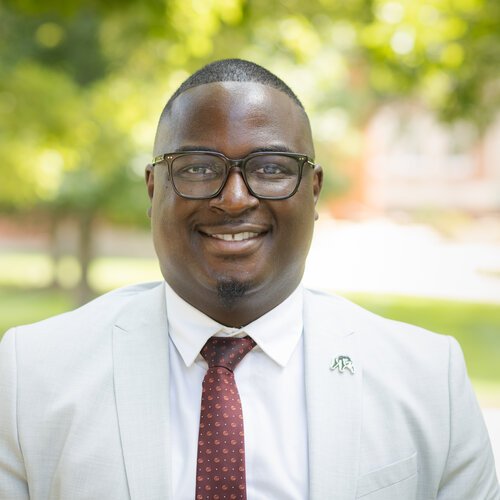
“All three of our schools recognized there’s a gap between graduation rates for men- and women-identified students,” said Harry Titus, vice president for student experience and dean of students at Lenoir-Rhyne. “Women at our institutions typically perform at higher levels and graduate at higher rates. Across ACA member schools, that gap is nearly 20 percentage points.”
Titus, who served as the principal investigator for the grant, added, “This collaborative effort gives us a chance to intentionally address these issues and see what it can grow into long term.” His doctoral research focused on engaging male students outside of shared-identity spaces, and he has spent years studying the factors that influence persistence, engagement and involvement.
A pilot program to bridge the gap
“The challenges facing male students — particularly those who are first-generation, rural or from underrepresented backgrounds — are among the most pressing issues in higher education today,” wrote Lenoir-Rhyne President Summer McGee in a letter supporting the grant. “This initiative offers a timely, strategic response that aligns with Lenoir-Rhyne’s commitment to fostering belonging, improving student outcomes and ensuring that every student has the support necessary to thrive.”
With that institutional backing, the Appalachian Male Success Collaborative is ready to launch its pilot program, offering male students new opportunities for leadership, connection and personal growth.
The grant provides $10,000 to support monthly virtual meetings, leadership trainings, guest speakers and peer discussions across the three institutions. All rising sophomores, juniors and seniors are eligible to participate. Participating students will share challenges and concerns, engage in leadership development and build connections that culminate in a student-planned in-person summit during the fall 2026 semester. The program is designed as a pilot with hopes of expanding participation and eventually including more ACA member institutions.
Practical skills and personal growth
For students, the program is as much about practical skills as it is about personal growth. “The point of this program is to teach life skills — helping to equip students with the transferable skills they’ll need to be successful after graduation,” said Danny Wooten, director of student involvement and leadership. “It’s also about peace and having a safe space where men can feel seen and supported. We want them to build accountability, brotherhood and purpose.”
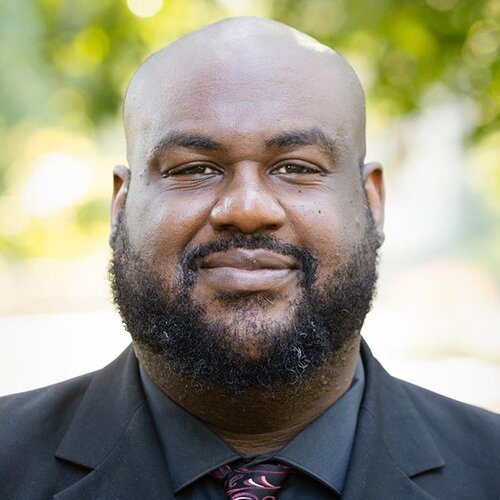
Titus added that students will practice essential social and professional skills in a judgment-free environment. “How do I network? How do I tie a tie? How do I shake someone’s hand? All of those things will be embedded in this opportunity. Sometimes being able to do that in a more intimate setting is really helpful — to see each other learning and know it’s OK not to have all the answers.”
Cross-institutional networking is another key benefit. “Students will also have the chance to learn from and share ideas with peers at other institutions,” Titus said. “There may be engagement opportunities happening elsewhere that our students want to bring back to LR, and they can also share what we’re doing here. Creating this network is one of the biggest benefits, and it allows students to see that they’re not alone, on campus or in the larger world.”
Faculty, staff and students looking ahead
Faculty and staff are encouraged to recommend students who may benefit from the program. “We want to open this opportunity broadly and welcome referrals from people who know students who would thrive in this experience,” Titus said.
For Wooten, the initiative reflects an opportunity he wishes had been available during his own undergraduate experience.
“I wish I’d had something like this when I was in college,” Wooten said. “Now we have the chance to help students build those connections and gain the skills they need to be successful.”
News & Events
Meet the student leader working to make LR's Student Government Association more accessible — and learn his strong opinions on Oreos, Darius Rucker and teleportation.
View More
Lenoir-Rhyne welcomes alumni and friends back to campus Oct. 16–17 for Homecoming 2026, featuring milestone reunions, favorite traditions, the Eastside Commons groundbreaking and Bears football.
View More